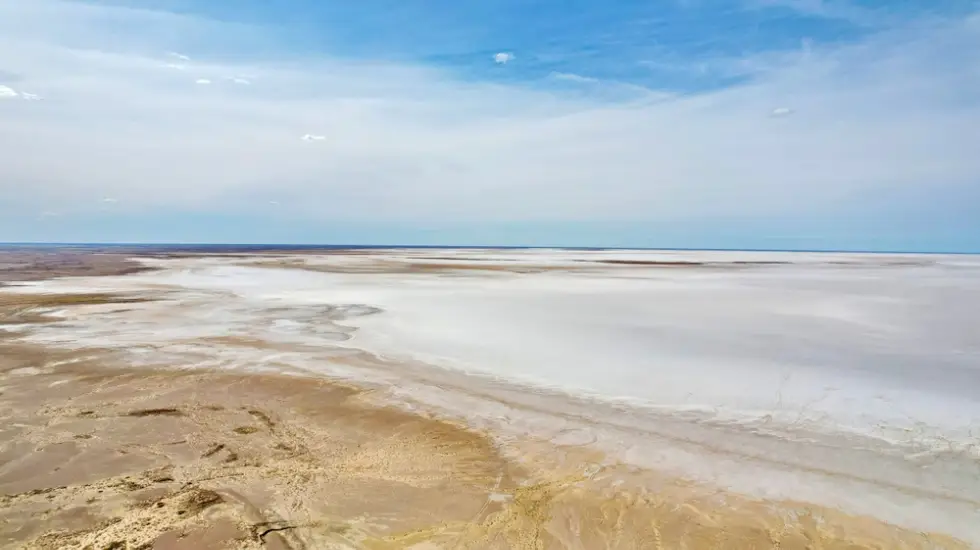
Welcome to South Australia’s Kati Thanda-Lake Eyre: a glistening salt pan spanning hundreds of kilometres, transformed by desert downpours into a thriving oasis. This natural wonder beckons travellers from all over the world to see its beauty and explore its vast landscape.
Our Fun Over 50 Holidays guide will give you a great overview of one of Australia's most magical places and offer tips for first-time visitors to the lake.
Where is Lake Eyre in Australia?
Lake Eyre, officially known as Kati Thanda-Lake Eyre, is located in South Australia, deep within the arid heart of the Australian continent. This vast salt lake is within Kati Thanda-Lake Eyre National Park and is part of the larger Lake Eyre Basin. Visiting the park requires travel into the outback, as it is far from major cities. Adelaide is the closest major city, but it's still a considerable distance.
The easiest, quickest and safest way to see Australia's largest inland lake is by air, and you'll certainly get the best view! Fun Over 50 Holidays has created an amazing itinerary for our 'Lake Eyre, Coober Pedy and Flinders Ranges tour.' Surprisingly, it will cost you less than traversing the harsh South Australian outback. Check it out.
Where did Lake Eyre get its name?
Lake Eyre was named after Edward John Eyre, a British explorer who was the first European to visit the lake in the mid-19th century. Eyre's exploration in 1840 was significant as he sought to traverse the arid interior of Australia. The lake was subsequently named in his honour, reflecting his contributions to the exploration of the region.
Today, Lake Eyre is not only known for its unique geological features but also as a reminder of Eyre's adventurous spirit and the challenges faced by early explorers in the Australian outback.
What’s the new name for Lake Eyre?
The history of the name change
Kati Thanda is the name the Aboriginal people use for the lake, and it carries deep cultural significance. Acknowledging this name honours the traditional custodians of the land. The name change reflects a move toward recognising the Aboriginal history and connection to this area of South Australia. Formerly known solely as Lake Eyre, its dual name now acknowledges its Aboriginal roots.
What is unique about Lake Eyre?
Natural features and ecosystem
Why is Lake Eyre in South Australia so special? Lake Eyre's lowest point is approximately 15 to 15.2 metres below sea level, making it the lowest point of Australia. This elevation can change depending on whether the lake is dry or flooded.
Kati Thanda-Lake Eyre offers dramatic transformations. Typically a vast salt lake, it can flood dramatically during periods of heavy rainfall, turning the arid landscape into a thriving ecosystem.
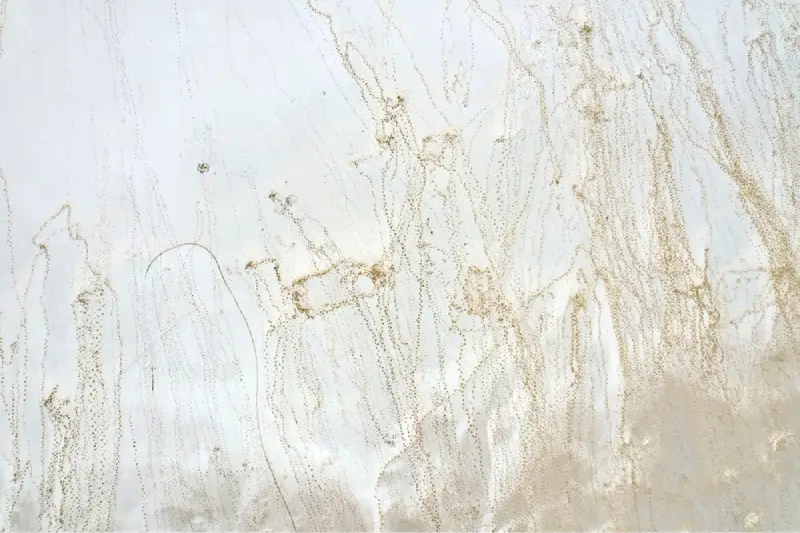
This ever-changing environment contrasts between the dry, cracked salt crust and the vibrant wetlands after a flood, creating a truly unique experience attracting visitors from Australia and abroad.
How big is Lake Eyre?
It's the biggest!
Lake Eyre, or Kati Thanda–Lake Eyre, is Australia's largest salt lake. When full, it can cover approximately 9,500 square kilometres, making it a truly large landmark within South Australia's parks. The sheer size of Kati Thanda (Lake Eyre) shapes the region's ecology. The scale of the water in the lake influences the migratory patterns of birds and the distribution of plant life.
Why is Lake Eyre significant?
Cultural importance
Kati Thanda–Lake Eyre holds immense cultural significance for the Aboriginal people of South Australia. For generations, the traditional owners have shared a deep connection with Kati Thanda. Their stories, beliefs, and practices are intertwined with the lake’s landscape, making it a significant and sacred place.
Environmental significance
The environmental significance of Kati Thanda-Lake Eyre cannot be overstated. As Australia’s largest salt lake and lowest point, it plays a vital role in the region's ecology. The Lake Eyre basin supports unique plant and animal life, influenced by the periodic flooding and arid conditions.
Are there any fish in Lake Eyre?
Surprisingly, yes!
Some fish species have adapted to survive in Kati Thanda-Lake Eyre. These fish are uniquely adapted to thrive in the highly saline conditions and lie dormant on the lake bed during dry periods, becoming active again once water levels rise. Fish species found in Lake Eyre and the broader Lake Eyre basin include:
- Gudgeon
- Golden Perch (Yellowbelly)
- Lake Eyre Hardyhead
- Carp
- Eel-tailed Catfish
- Hyrtl's Catfish
- Desert Rainbowfish
- Perch
- Australian Smelt
- Barcoo Grunter and other Grunters
Invasive species like Mosquitofish and Goldfish are also present in the catchments.
The impact of salinity on wildlife
Lake Eyre is not only a geographical wonder but also a habitat for diverse bird life, attracting various migratory birds, especially during periods of flooding when it transforms into a temporary wetland.
The high salinity of Kati Thanda-Lake Eyre has a profound impact on the surrounding wildlife. While some species, like certain fish and bird species, thrive in these conditions, many others cannot tolerate the salt levels, limiting the biodiversity of the Lake Eyre basin to only unique species.
Bird species found in Lake Eyre
Kati Thanda-Lake Eyre is not only Australia's largest salt lake but also an important habitat for various bird species, particularly during periods when the lake is full. Here’s a list of some notable bird species that can be found around Kati Thanda-Lake Eyre.
During floods:
- Australian Pelican
- Black Swans
- Cormorants
- Pink-eared Duck
- Caspian Terns
- Seagulls
During drier periods, birds spotted in the area include:
- Woodswallows - Black-faced, dusky, masked, and white-browed
- Little Crow and Torresian Crow
- Butcherbirds: Pied, grey, and black butcherbirds
- Crimson Chat
- Rufous Songlark
- Little Corella
- Thick-billed Grasswren
- White-winged Fairywren
- Restless Flycatcher and Leaden Flycatcher
- Grey Fantail, and Willie Wagtail
- Pied Stilt
- White-faced Heron
Visiting Kati Thanda-Lake Eyre, especially during wet seasons, offers a unique opportunity to see these species in their natural habitat, making it a significant birdwatching destination in South Australia.
Can you swim in Lake Eyre?
Safety and advisories
While our Fun Over 50 Holidays guests enjoy an amazing flight over the lake, they don't swim in it... and for good reason. Swimming in Kati Thanda-Lake Eyre is possible, but safety is a primary concern. The water in the lake is often extremely salty, even saltier than seawater, and its conditions can vary greatly.
When full, the water may be deep enough for a decent swim, but the high Lake Eyre salt concentration can cause discomfort to the skin and eyes. During drier times, the water evaporates, leaving the lake bed mostly a salt crust. If you're planning a dip, it's important to consider the water levels and consult with the National Parks and Wildlife Service before you do.
What problems does Lake Eyre face?
Kati Thanda-Lake Eyre, a remarkable landmark within South Australia's parks, faces several environmental challenges. These issues threaten the delicate balance of its unique ecosystem. Understanding these problems is crucial for effective conservation efforts that protect this area for future generations.
Environmental challenges
One of the primary environmental challenges facing Kati Thanda-Lake Eyre is water scarcity and the regulation of the lake's water. Climate change has exacerbated arid conditions in South Australia, resulting in fewer and less substantial flooding events. This reduction in water affects the entire ecosystem.
Human impact on the ecosystem
Human activities also impact the Kati Thanda-Lake Eyre ecosystem. Water diversion from the Lake Eyre basin for agricultural purposes reduces the amount of water reaching the lake, disrupting the natural flood cycles. Additionally, the introduction of invasive species can harm native flora and fauna, further threatening biodiversity.
What’s the best way to see Lake Eyre?
Guided tours and experiences
To see Kati Thanda-Lake Eyre, consider visiting areas like Marree and William Creek, which offer access to various viewing spots. These spots provide different perspectives of the vast salt lake.
For an immersive experience, consider joining our all-inclusive, hosted tour of Kati Thanda-Lake Eyre. Our tours offer expert insights into the region's history, ecology, and cultural significance. We'll take you to all the best spots, by comfortable coach or thrilling flights! Knowledgeable local guides enhance your understanding and appreciation of Australia’s largest salt lake.
.webp)
Take an unforgettable scenic flight over Lake Eyre
The best way to see Kati Thanda-Lake Eyre is on a scenic flight out of William Creek, especially during a rare flooding event. Flying over the lake provides unparalleled views of the expansive landscape, the changing colours of the water, and the rejuvenated ecosystem.
From the air, you can see the vast expanse of shimmering white salt crust, which contrasts dramatically with the surrounding red desert landscape. The flight reveals the unique geological formations, the winding channels, shallow lakes and water pools that attract a variety of wildlife.
Kati Thanda-Lake Eyre is beautiful all year round, whether in flood or dry. The stunning patterns created by the salt and the shifting sands are a photographer's dream, making this flight an unforgettable experience. A scenic flight allows you to truly appreciate the scale and beauty of this natural landmark in South Australia's Great Artesian Basin.
Why travel with Fun Over 50 Holidays?
On our Fun Over 50 Holidays ‘Lake Eyre, Coober Pedy and Flinders Ranges’ tour, you'll take a stunning 90-minute flight out of William Creek over Halligan Bay, Silcrete Island and Belt Bay, the lowest point in Australia. Then it's on to Jackboot Bay, Lake Eyre South, before tracking over the iconic Marree Man and landing in Marree.
Fun Over 50 Holidays provides premium, all-inclusive, and immersive travel experiences for Australians over 50. We carefully craft luxury group tours that emphasise adventure, cultural exploration, and responsible tourism, catering to young-at-heart travellers eager to explore.
How do you get to Lake Eyre?
Reaching the lake, or Kati Thanda–Lake Eyre, requires careful planning, as it is located in a remote part of South Australia. Consider a tour with Fun Over 50 Holidays for an all-inclusive, unforgettable experience, travelling in comfort and safety.
Our tour offers a comprehensive and hassle-free way to see Kati Thanda-Lake Eyre as well as the remarkable Cooper Pedy (opal capital of the world), the stunning Flinders Ranges, and so much more. All your flights, accommodation, transport, meals, scenic flights, and entry fees are included, as are knowledgeable guides and a friendly host, ensuring a memorable trip.
What are the best times to visit?
The best times to visit Kati Thanda-Lake Eyre are during or shortly after a flooding event. At that time, the lake comes alive with water birds and vibrant colours. However, even during drier periods, the stark beauty of the salt crust and the vastness of the landscape are remarkable.
Is Lake Eyre worth visiting?
Visiting Kati Thanda-Lake Eyre is undoubtedly worth it for those seeking a unique and awe-inspiring travel experience in South Australia. The sheer scale of the lake, the dramatic landscapes, and the chance to witness a rare flooding event make it a must-see destination.
Touring Kati Thanda-Lake Eyre with Fun Over 50 Holidays offers visitors the chance to witness one of Australia’s most significant natural wonders in comfort. You'll have the opportunity to connect with the area's Aboriginal history and gain a deeper appreciation for Australia's remarkably resilient arid ecosystems.
Why travel with Fun Over 50 Holidays?
Fun Over 50 Holidays offers exceptional travel experiences tailored for the discerning senior traveller. With a focus on immersive adventures and cultural exploration, our tours provide the chance to meet others, learn about the culture of the places we visit and create unforgettable memories. We take care of the details so you can relax and have fun!
Come join us for a Kati Thanda-Lake Eyre adventure.
Key takeaways
Glossary

.avif)