Welcome to the fascinating Burrungkuy (Nourlangie) Rock Art site, a significant cultural landmark nestled within Kakadu National Park in the Northern Territory. This guide is designed specifically for visitors over 50 and offers a comprehensive look at this significant site, providing you with practical tips for a memorable and enriching experience.
The amazing rock art of Burrungkuy (Nourlangie)
A famous Kakadu destination
The Burrungkuy rock art site, also known as Nourlangie Rock, is a famous site located within Kakadu National Park in the Northern Territory. This site is renowned for its impressive rock art, providing a window into the culture, lives, history, beliefs and rich spiritual traditions of the Aboriginal people who have inhabited this land for tens of thousands of years. The site features several rock shelters that served as natural canvases for generations of artists.
Burrungkuy is managed jointly by Parks Australia and the Traditional Owners who work together to exchange knowledge and information and make decisions to preserve this important site. This joint management structure is in place for all of Kakadu National Park, while Indigenous-owned Kakadu Tourism manages specific tourism facilities and the rock art tour at Nourlangie.
Why is Burrungkuy rock art so significant?
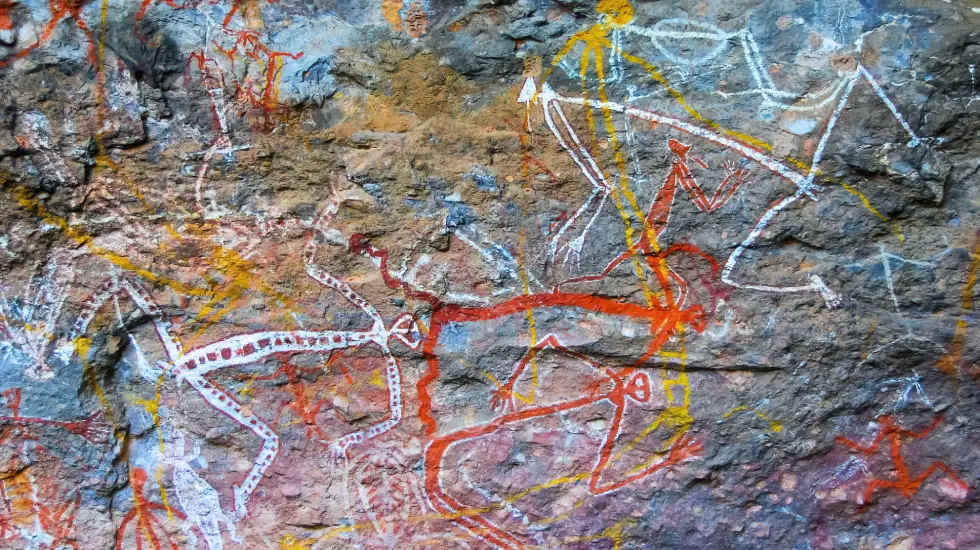
Burrungkuy rock art is significant due to its cultural and historical importance. The stunning rock paintings depict ancestral beings, animals, and scenes from daily life, offering insights into Aboriginal culture. These natural rock art galleries at Nourlangie show the evolution of artistic styles over the years, showcasing both ancient rock art and more recent additions including European sailing ships.
Historical context of Aboriginal rock art
Burrungkuy (Nourlangie) is a famous and valuable site. One of the reasons Kakadu National Park became World Heritage-listed is due to the cultural significance of Burrungkuy. Aboriginal rock art in Kakadu is among the oldest and most continuous art traditions in the world. The art serves as a visual record of Aboriginal history, spirituality, and their deep connection to the land. The galleries and shelters at Burrungkuy are a testament to the enduring cultural significance of this region.
Exploring the Burrungkuy (Nourlangie) rock art site
The fascinating art featured at Nourlangie
Over thousands of years, the walls of the Burrungkuy (Nourlangie) rock art site have served as a shelter and canvas for the local Aboriginal people. For these Traditional Custodians, art (kunbim) is an expression of cultural identity and connection to Country.
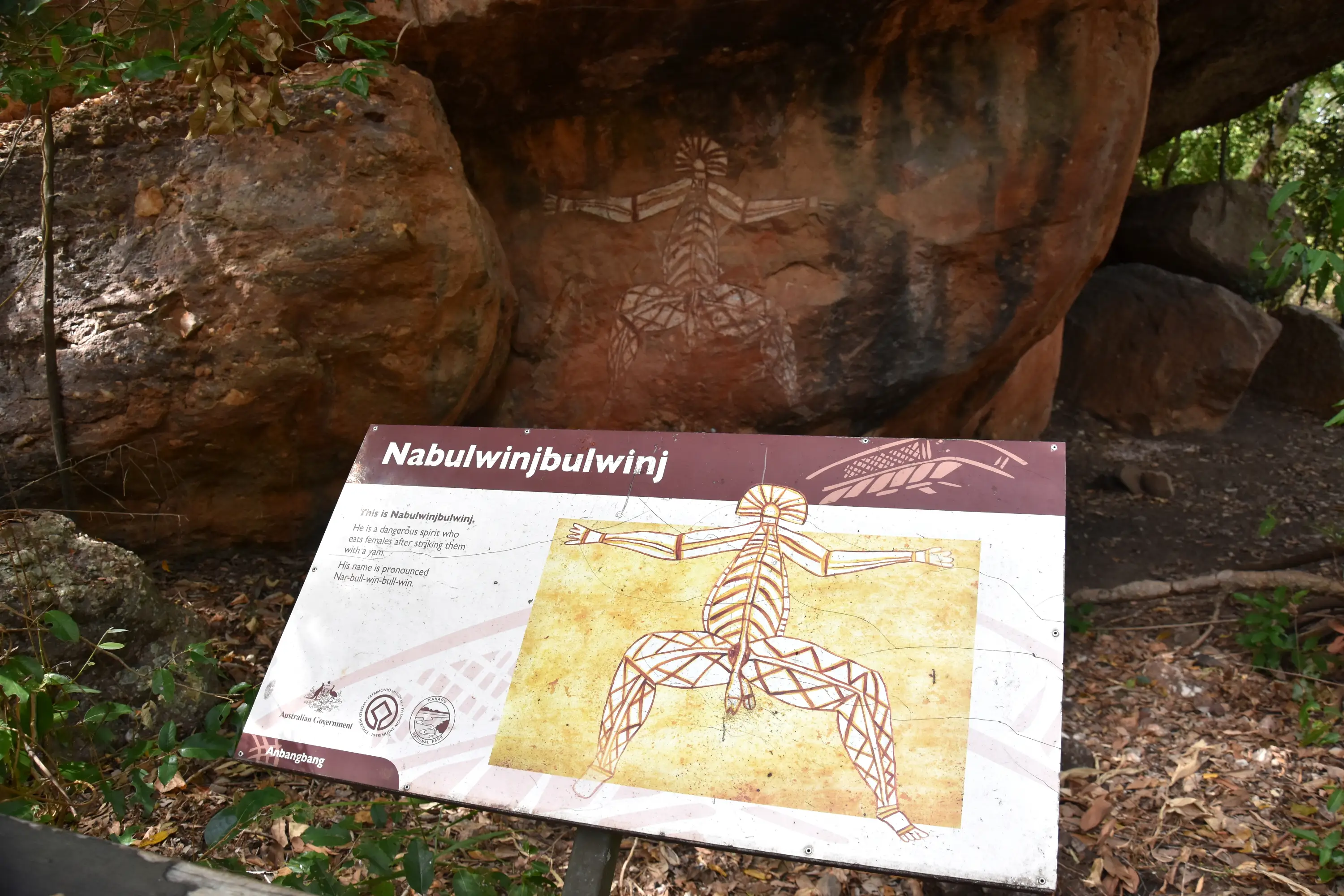
This natural outdoor gallery features a diverse range of artistic styles and subjects spanning various time periods. In the main Anbangbang gallery and shelter, you can clearly see depictions of creation ancestors such as Namondjok and Namarrkon (lightning man) and X-ray style paintings of animals and fish.
Rock art activities at Burrungkuy - what to expect
A tour of Burrungkuy rock art site and shelter is like embarking on a journey through time, offering a glimpse into a rich, spiritual tradition. Local Aboriginal tour guides take visitors on the easy, circular 1.5km Burrungkuy (Nourlangie) Rock Art Walk, through the peaceful forest leading to the rock art site.
These knowledgeable guides share fascinating stories about each piece of art and its cultural significance. On the tour, guests have the opportunity to climb to the Kunwarddewardde Lookout and take in the breathtaking views of the imposing Burrungkuy (Nourlangie) Rock and the Kakadu escarpment.
Understanding Aboriginal rock art
Techniques and materials used in rock art
Aboriginal art, especially the stunning rock paintings found at sites like Burrungkuy, employs natural pigments like ochre, charcoal, and clay. These materials, sourced from the surrounding Kakadu National Park, were mixed with water or animal fats to create paint. The application techniques varied, including using fingers, sticks, or brushes made from feathers or hair, showing the resourcefulness of the Aboriginal artists.
Symbolism and themes in Aboriginal art
The Aboriginal art at Nourlangie Rock is rich in symbolism, often depicting ancestral beings, animals, and Dreamtime stories. X-ray art of animals, for instance, reveals the artists' deep understanding of animal anatomy and their spiritual connection to the land. Recurring themes include creation stories, hunting scenes, and representations of important cultural beliefs. The famous Lightning Man, a prominent figure in Aboriginal rock art, is frequently seen on these rock shelters.
Visiting Burrungkuy: some practical tips
Best times to visit the Nourlangie rock art site
The best time to visit the Burrungkuy Rock Art Site is during the Northern Territory's dry season, from May to September. The weather is cooler and drier, making it more comfortable for walking and exploring the site.
During the wet season, from October to April, some areas may be inaccessible due to flooding and heat. The best way to experience Burrungkuy is on a tour led by one of the passionate local Aboriginal guides.
Accessibility for over 50s
Nourlangie Rock offers varying levels of accessibility for visitors over 50. The main Anbangbang gallery is relatively easy to access via a paved path. It's advisable to wear comfortable walking shoes and take your time, especially when exploring the rock shelters and art galleries in Kakadu National Park.
Those with a moderate to high level of fitness may like to take the walk to the Kunwarddewardde Lookout. It features many rock stairs and uneven surfaces so is not suitable for everyone, but there are places to rest along the way, or return to the carpark if you choose. The reward at the top is a stunning view of Nourlangie Rock and sweeping views over the Kakadu escarpment.
Is it OK to take photographs at Burrungkuy?
As a general rule throughout Kakadu National Park, visitors are asked to refrain from touching rock art paintings or climbing on the rocks. Photography is generally permitted at Burrungkuy, but it is important to be respectful and mindful of Aboriginal cultural sensitivities.
Some art is considered sacred and taking or sharing photos without permission is disrespectful. Follow the signage and any advice offered by your tour guide. Information about the site can also be found at the Bowali Visitor Centre and Warradjan Aboriginal Cultural Centre.
If in doubt, stick to taking photos of the amazing landscape, rock formations, animals and plant life of Kakadu.
Nearby places to visit
Bowali Visitor Centre
The Bowali Visitor Centre, located within Kakadu National Park, serves as an excellent starting point for visitors planning to explore the Burrungkuy rock art site. The Bowali visitor centre provides information, maps, and displays about the park’s natural and cultural heritage. Knowledgeable staff are on hand to answer questions, offer advice on walking trails, and provide insights into the significance of Aboriginal rock art in Kakadu.
Warradjan Aboriginal Cultural Centre
The Warradjan Aboriginal Cultural Centre, located near Burrungkuy (Nourlangie) Rock, is a must-visit destination for anyone interested in deepening their understanding of Aboriginal culture. This centre offers extensive exhibits that provide valuable context to the art seen at the Nourlangie Rock Art site. This cultural centre provides a wealth of information about the local Aboriginal people, their history, and their connection to Kakadu National Park.
Take off for an incredible Kakadu and Top End Adventure
Visit Kakadu and Australia's incredible Top End on your next holiday. World Heritage Listed Kakadu National Park is known for its stunning natural landscapes, waterfalls, wetlands and dramatic escarpments as well as its rich Aboriginal culture, ancient rock art sites and unique wildlife.
The region offers a blend of natural wonders and cultural experiences, with opportunities for outdoor adventures such as Crocodile spotting with Yellow Water Cruises, bird watching at Fogg Dam or taking a scenic flight over the Arnhem Land Escarpment with Kakadu Air.
Why choose Fun Over 50 Holidays?
Explore the rich cultural inclusions of Burrungkuy Rock Art, Warradjan Aboriginal Cultural Centre and Bowali Cultural Centre on a Kakadu and Top End tour with Fun Over 50 Holidays.
We specialise in creating expertly guided tours tailored to the needs and interests of mature travellers, ensuring a comfortable, enriching and fun adventure. We take care of all the details for you, including flights, luxury accommodation, delicious meals and scenic tours, so you can relax and enjoy the magnificent landscape of this unique part of Australia.
Key takeaways
.avif)